Why the Monash IVF ($MVF) share price is soaring
.png&w=3840&q=95)
Embattled fertility stock Monash IVF roared back to life this week, with shares surging more than 40% after a takeover bid forced investors to rethink what the company is actually worth.
.jpg)
ICYMI: Do your own research and make your own decisions. This article drills down on a specific company, however, it is not a recommendation to invest in the company and should not be taken as financial advice. Got a stock you want covered? Tell us here.
Monash IVF ($MVF) has spent most of 2025 in damage control. Two high-profile clinical errors shattered public trust and wiped more than half its market value.
In April, the revelation that a patient had given birth to someone else’s baby dominated headlines, sending shares tumbling 36% in a day. Just weeks later, another error surfaced, triggering a second major selloff and the CEO's resignation. By September, $MVF was dropped from the S&P/ASX 300.
Now, the tide may be turning. A takeover bid this week has breathed new life into the embattled stock, sending its price soaring 44%.
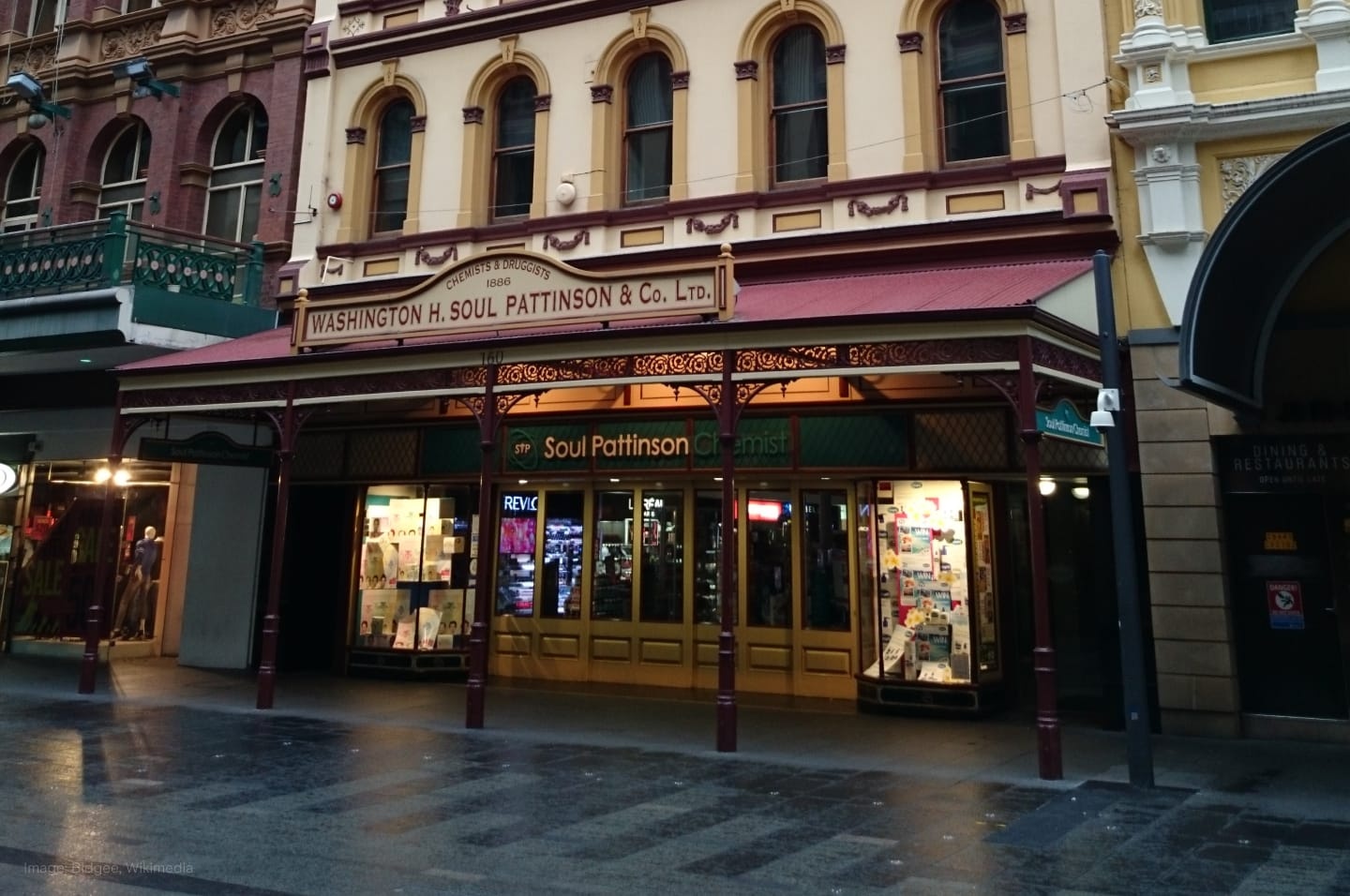
On Monday, a consortium including major shareholder Soul Pattinson ($SOL) offered $0.80 per share – a 25% premium to Friday’s close. Monash rejected the bid, calling it ‘opportunistic’ and arguing it undervalued the business.
But investors took the signal: someone believes $MVF is worth more than the market does.
It sparked a rethink on a business that sits at the centre of one of healthcare’s fastest growing segments.
Inside the business
Monash IVF is no giant like CSL ($CSL), but it’s a heavyweight in a highly specialised sector of healthcare.
It holds 21% market share in IVF cycles and operates 21 clinics across Australia, plus six facilities in Southeast Asia. It also offers high-margin services like egg freezing, genetic testing and diagnostics.
.png)
Despite the drama of the last two years, business has been resilient. FY25 revenue rose 6.7% to $271.9M. Net profits also spiked to $25.7M compared to last year’s net loss, but this sharp increase was largely due to a $56M class action – yet another legal battle filed by Monash patients.
Strip out one-off items (see above disputes) and underlying profit actually fell 8%, as demand softened and cycle volumes declined.
It’s a trend Monash expects to continue into next year. Cost of living pressures and higher interest rates are seeing fewer customer registrations. Next year’s guidance is expected to land between $20M and $23M, down as much as 27% on this year’s figure.
Monash withheld its final dividend in 2025 – the first time since 2020 – but plans to resume payments next year if targets are met.
.png)
Growing babies
Fertility is one of the most resilient pockets of healthcare. One in six Australian couples now experiences infertility, while birth rates continue to fall and parental age rises.
In 2022, nearly 18,000 babies were born via IVF – around one in every 16 births, based on 100,000 cycles, according to the Fertility Society of Australia and New Zealand.
And demand is also growing from LGBTQIA+ patients, single parents and those pursuing elective egg freezing.
Offshore, Monash is scaling in early-stage markets like Malaysia and Singapore, generating $18.5M in FY25 – up nearly 13%.
With specialist partnerships, national reach and a 40.3% pregnancy success rate, Monash brings assets that are hard to replicate.
Still, the Australian IVF industry is competitive, with fertility specialists in huge demand. Falling patient registration numbers in NSW and Victoria have been blamed in part on Monash rivals.
It’s working to reverse this. In FY25 Monash signed on with 11 fertility specialists across Australia.
The challenge now? Rebuilding trust, overhauling processes and proving this is a comeback – not a cautionary tale.
Confidence divided
Analyst sentiment is mixed. Of seven analysts on LSEG, three rate $MVF a strong buy, one a buy and three a hold.
Morgans, Macquarie and Ord Minnett have maintained buy ratings this year, with price targets sitting above current levels.
Morgans cut its price target in November from $0.96 to $0.90, but still rates the stock a speculative buy. Notably, back in July, it called $MVF a “compelling takeover candidate” in a growing sector.
Macquarie also trimmed its earnings forecasts but stayed bullish on the medium-term. Its target price is $0.94 with an outperform rating.
Bell Potter is more cautious. Back in August it downgraded $MVF from a ‘buy’ rating to a ‘hold’, citing both brand damage and macro pressures.
On balance, while there are no “sell” ratings, the LSEG target price sits at $0.82, around 6% below where the stock now trades after the takeover surge.
Buy or sell?
The takeover bid has changed the conversation. It shows institutional investors see more value than the market has priced in, and the board’s rejection backs that up.
$MVF now offers takeover potential and exposure to a growing sector, but it comes with real risks. Reputational and regulatory challenges could take years to repair, and earnings remain under pressure.
It’s a recovery trade – not for the faint-hearted, but for those with a long view and higher risk appetite.
This is not financial advice nor a recommendation to invest in the securities listed. The information presented is intended to be of a factual nature only. Past performance is not a reliable indicator of future performance. As always, do your own research and consider seeking financial, legal and taxation advice before investing.

Senior Markets Commentator
Kylie Purcell is an investments analyst and finance journalist with over a decade of experience covering global markets, investment products and digital assets. Her commentary has been featured in publications including the Australian Financial Review, Yahoo Finance and The Motley Fool. She has a Masters Degree in International Journalism from Cardiff University and a Certificate of Securities and Managed Investments (RG146).
Subscribe
By subscribing, you agree to our Privacy Policy.