
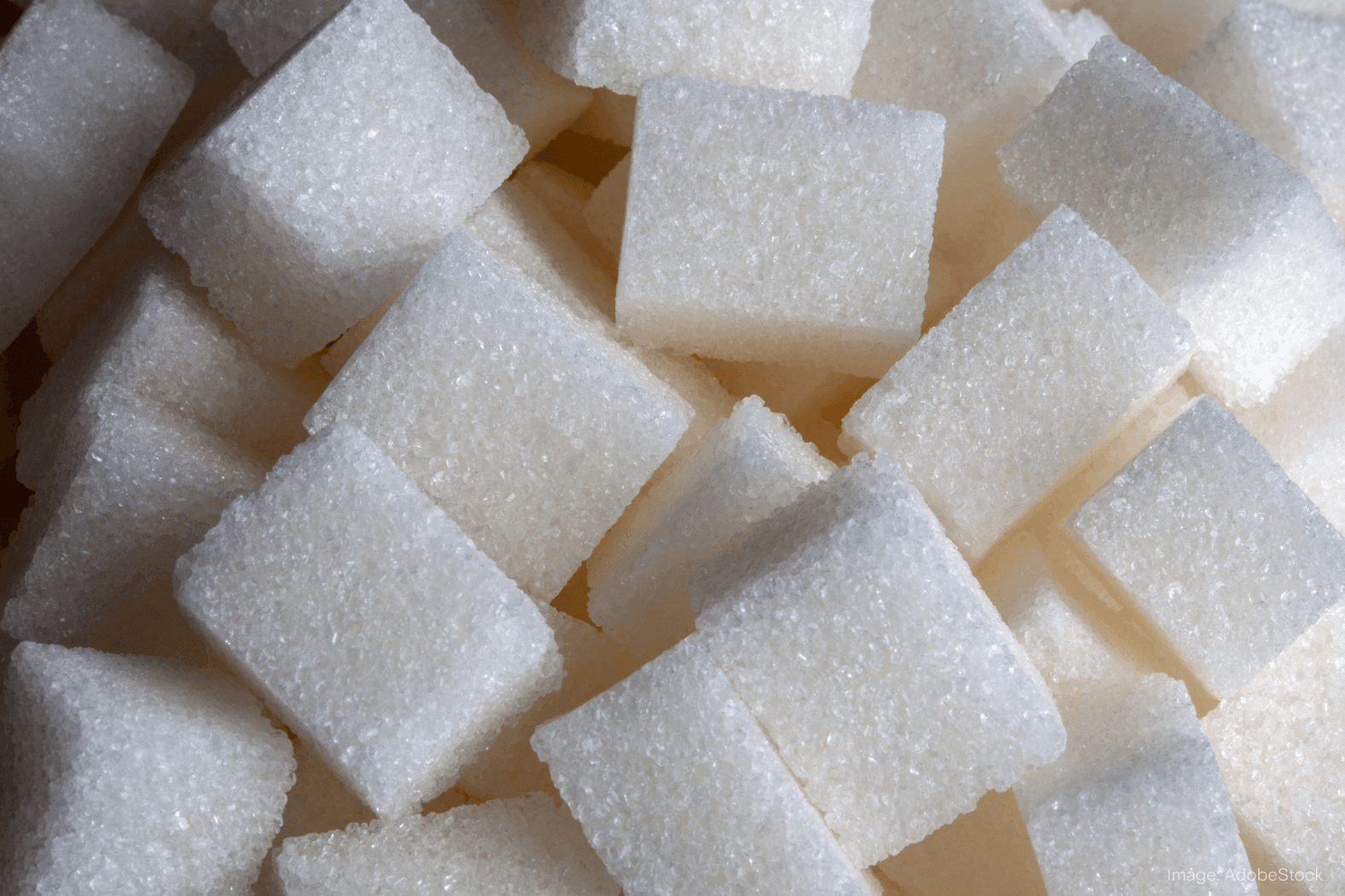
Coca-Cola’s potential switch from corn syrup to cane sugar was stirring up sweet drama across pantry staple stocks. Coke didn’t fully commit, but the drama’s still fizzing.
Corn syrup is the unsung hero of fizzy profits. Or it was until the Make America Healthy Again (MAHA) movement came bubbling up. Now, Coca-Cola ($KO) finds itself in a sticky situation after President Trump announced the soft drink was switching from high fructose corn syrup (HFCS) to cane sugar.
Coke’s Tuesday earnings call cleared things up, with CEO James Quincey confirming the launch of a new cane sugar version of Coke, but keeping the corn syrup version. Investors had bigger concerns though – like digesting a bitter Q2 revenue miss and free cash flow drop.
And moving to cane sugar is easier said than done. Analysts expect the shift would cost over US$1b and require a major supply chain shuffle. And to cover the sugar shortfall, Coke would need to look to Brazil – which just got hit with a 50% import tariff.
Pepsi ($PEP) also hinted at a cane sugar switch during last Thursday’s earnings call. CEO Ramon Laguarta shared plans to relaunch Lay's and Tostitos without artificial flavours or colours. He tempered expectations with a lower long-term organic revenue growth forecast, but it didn’t sour the mood too much. An earnings beat of US$2.12 per share vs US$2.03 expected sent shares up 6% on the day.
The ripple effects are hitting upstream too. Archer Daniels Midland ($ADM), a major U.S. producer of HFCS, saw shares dip nearly 4% following Trump’s Coca-Cola comments last week. There’s no sugarcoating it: investors are concerned losing flagship buyers like Coke and Pepsi could dent ADM’s core processing revenues.
The pressure’s not just on soda makers and agriculture services. Food giants Nestle ($NSRGY), Kraft Heinz ($KHC) and General Mills ($GIS) are under the MAHA microscope. Nestle USA said it would eliminate all petroleum-based food dyes by mid-2026, while Kraft Heinz has the same goal for the end of 2027.
Amid the clean eating shift, one U.S. supermarket finds itself in a sweet spot. Sprouts Farmers Market ($SFM) specialises in natural and organic products has boosted margins and loyalty through its private label range, which accounts for 24% of sales. Q1 net sales grew 19% YoY to US$2.2b and RBC Capital has raised its price target ahead of $SFM’s Q2 results.
United Natural Foods ($UNFI) is another honey pot for investors after a 90% YoY rally. It’s the largest publicly-traded wholesale distributor of health and specialty food in the U.S., and possibly still Amazon’s ($AMZN) Whole Foods’ biggest supplier. Analysts think its trading at fair value, and UBS has lifted its price target after revised 2025 sales guidance to US$31.7b.
The sugar shake-up is just getting started. As legacy brands pivot to healthier options, investors should watch out for candy-coated earnings reports and frosted fundamentals. The real story might be in the ingredients, so it pays to read the label before buying in.
This is not financial advice nor a recommendation to invest in the securities listed. The information presented is intended to be of a factual nature only. Past performance is not a reliable indicator of future performance. As always, do your own research and consider seeking financial, legal and taxation advice before investing.
Subscribe
By subscribing, you agree to our Privacy Policy.