by Kylie Purcell
Share

How to invest in silver for beginners [2026 guide]

This article focuses on buying a specific type of commodity, however, it is not a recommendation to invest in them and should not be taken as financial advice. Do your own research and make decisions with your financial circumstances in mind, or even consider getting advice from a licensed financial adviser before investing.

What is silver investing?

When you invest in silver you’re banking on the value of silver to go up over time. Like gold, it retains its value over time and can act as a hedge against inflation and uncertainty.

But silver also has practical uses. Because it’s an excellent conductor of electricity, it’s essential in everyday electronics including circuit boards, switches and connectors. And being highly reflective, it’s also used to make mirrors. As a necessary but finite resource, silver’s value has exploded in recent years as demand outpaces supply.

Ways to invest in silver

Traditional silver investing would involve buying and holding onto a block of metal. These days there are less cumbersome ways to invest while still getting the same or similar results. For instance, Australians can invest in silver products on the stock market through a trading platform like Stake. Below are the most popular ways to invest in silver for Australians. 

Silver ETFs

Exchange-traded funds (ETFs) are investment funds that are accessible on the stock market. Silver ETFs track the price of silver. You’re not physically buying the metal, instead you’re investing in a fund that does the work for you and pays returns as prices rise. 

Since you don’t have to pay for storage or security fees, it’s one of the easiest and cheapest ways to invest in commodities like silver and gold. By investing through a reputable share trading platform like Stake, it’s also one of the safest ways to invest.

On Australia’s ASX, there’s just one pure-play silver ETF – the Global X Physical Silver ETF ($ETPMAG) – which is backed by physical silver purchases. Another option is the Global X Physical Precious Metal Basket ($ETPMPM) which holds a basket of various precious metals including silver, gold and platinum.

Popular options on Wall St include the iShares Silver Trust ($SLV), abrdn Silver ETF Trust ($SIVR) and Sprott Physical Silver Trust ($PSLV). For more experienced investors, there’s also the ProShares UltraShort Silver ETF ($ZSL), which moves in the opposite direction as silver prices using leverage.

➡️ Check out our list of silver ETFs on the ASX

Silver mining stocks

One way to invest in silver is to buy stocks in silver companies. These firms are typically engaged in the mining or production of silver and silver products. 

It’s important to understand that you’re investing in more than just the metal. While silver mining companies tend to broadly track the price of silver, they are usually much more volatile. When commodity prices like silver rise, stock prices will rise even more, and vice versa. 

There are also a number of unique risks associated with mining stocks, such as environmental or policy risks and impacts on operations. All of these factors and more can weigh on a company's share price, regardless of the price of silver. This makes it a much riskier investment than investing in silver through an ETF or directly.

➡️ Discover some of the most popular silver mining companies

ETFs that hold silver miners

If you want to invest in silver miners, another option is to invest in an ETF that holds multiple mining companies. While they can be more volatile than tracking silver itself, they’re far less risky than investing in one or 2 individual mining stocks. 

There are only a few pure play silver miner ETFs – and none yet on the ASX. Over on Wall St, the Global X Silver Miners ETF ($SIL) holds major global miners including Wheaton Precious Metals ($WPM), Pan American Silver  ($PAAS). 

For broader exposure, Australian investors can look to the BetaShares Energy Transition Metals ETF ($XMET), which tracks miners of copper, silver, lithium, uranium and other future-facing metals. It’s risen 118% over the past 12 months.

Or for diversification across metals themselves, there’s the Global X Physical Precious Metal Basket ($ETPMPM). It tracks a diversified portfolio of metals including gold, silver, copper and platinum.

Physical silver

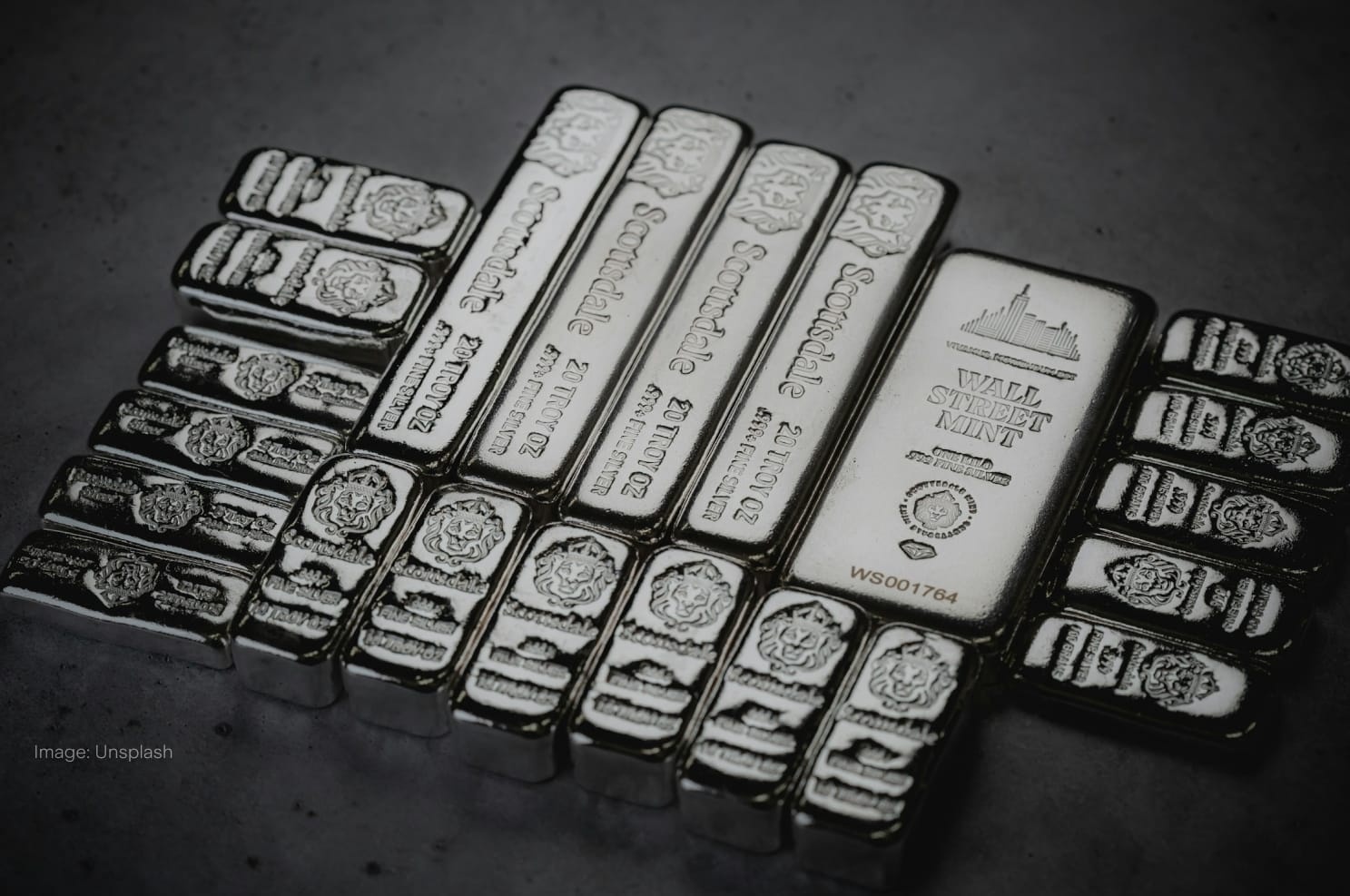
The traditional way to invest in Silver is by purchasing the physical metal. Typically, you’d buy these as bars which can range in size between around 5oz and 5kg. You can also buy silver coins – often featuring commemorative designs and given as gifts. 

Either way, you need to purchase these from a reputable dealer sourcing from LBMA accredited refineries. This ensures your bars meet certain trading standards and come in the purest form. 

The downside of buying physical silver, is that you’ll need to organise storage and insurance. If you have secure facilities, you could store the bars in your home, but this holds obvious risks. 

The alternative is to pay for storage at a secure vault – you can usually do this via the bullion dealer. Storage and insurance fees are typically around 1.5% - 3% of the value of your metal portfolio per year. 

Silver futures

Another way to trade silver is to purchase silver futures contracts. In Australia, these are often carried out via contracts for difference (CFDs), which are derivative products. 

The appeal is that you have the potential to return a profit whether prices are rising (called going long) or falling (called shorting).  However, these types of contracts can be risky because they normally involve using leverage to increase gains. By doing so, they also magnify any losses that occur – and traders can find themselves losing more than they initially invested. 

For this reason, silver futures trading is best suited to experienced investors, rather than beginners. 

Pros of investing in silver

  • Inflation hedge: Like gold, silver has historically held value during periods of rising inflation. This can make it a relatively safe place to invest your money outside of cash. 
  • Portfolio diversification: Silver is a good option if you want to diversify your portfolio away from assets like shares, bonds and cash into hard assets. 
  • Industrial demand: Beyond jewellery, silver has practical uses that make it highly valuable in electronics like solar panels, EVs and electrical switches. Last year it was classified by the U.S. as a critical mineral. 
  • Safe haven: Like gold, silver is considered a safe-haven asset – meaning its value continues to grow even during periods of global economic unrest. During periods of conflict or uncertainty, you’ll often see the silver price rising higher. 
  • Tight supply: Years of and limited recycling mean new supply is struggling to keep up with rising demand. This is a supportive backdrop for prices.

Risks of investing in silver

  • Price volatility: Silver prices can move sharply and unpredictably. While this can amplify gains in strong markets, it also means drawdowns can be steep. Historically, silver has been more volatile than gold, as its price is influenced not just by investor sentiment and macro conditions, but also by shifts in industrial demand and mining supply.
  • No income generation: Unlike shares or bonds, silver does not produce income. There are no dividends, interest payments or cash flows. Returns rely entirely on price appreciation, which means silver can underperform income-generating assets like stocks.
  • Opportunity cost: Capital allocated to silver may miss out on returns from growth assets such as equities, property or high-growth sectors. Over long periods, shares have historically delivered stronger total returns, particularly when reinvested dividends are factored in.
  • Storage and security: Investors holding physical silver face practical risks, including theft, loss, damage and counterfeiting. Secure storage can add ongoing costs, and selling physical silver may be less convenient or liquid than selling listed investments.
  • Foreign exchange risk: For Australian investors, accessing U.S.-listed silver ETFs or assets priced in USD, currency movements can impact returns. Even if the silver price rises, a stronger Australian dollar can reduce gains when converted back to AUD, and vice versa.

How to buy silver stocks and ETFs in Australia

1. Find a stock investing platform

To invest in silver, you'll need to sign up to an investing platform with access to the Aussie and U.S. stock market. There are several share investing platforms available, of which Stake is one.

Start your investing journey with StakeJoin 750K+ ambitious people on our easy-to-use investing platform.

2. Fund your account

Open an account by completing an application with your personal and financial details. Fund your account with a bank transfer, debit card or even Apple or Google Pay.

3. Search for the silver stock or ETF name

Find the stock or ETF by name or ticker symbol. It is advised to conduct your own research to ensure you are purchasing the right investment product for your individual circumstances.

4. Set a market or limit order and buy the shares

Buy on any trading day using a market order, or a limit order to delay your purchase of the asset until it reaches your desired price. You may wish to look into dollar cost averaging to spread out your risk, which smooths out buying at consistent intervals.

5. Monitor your investment

Once you own the stock or ETF, you should monitor its performance. Check your portfolio regularly to ensure your investment remains to align with your financial goals.

Is silver a good investment?

Silver is having a moment in the sun, hitting multiple fresh record highs in 2025 and now 2026. It was one of the standout performers in global markets, and the current setup is more compelling than it’s been in years. 

Tight supply, rising industrial demand and improving macro conditions have all combined to put silver firmly back on investors’ radar.

Unlike gold, silver benefits from both safe-haven demand and structural industrial use, particularly in solar, EVs and advanced electronics. With the market running multiple consecutive supply deficits and mining production struggling to keep pace, many analysts see a supportive backdrop for prices over the medium term.

That said, silver remains volatile and isn’t suitable for every investor. It’s typically best viewed as a complement to a diversified portfolio, rather than a replacement for growth or income-producing assets.

How much silver should you own?

For most investors, silver tends to sit as a modest portion of a diversified portfolio, used to add exposure to hard assets and commodities rather than dominate overall holdings. Even investors with a constructive view often balance silver alongside equities, bonds and other alternatives to manage risk.

The right allocation depends on your investment goals, time horizon and tolerance for volatility. That means this information is general only and shouldn’t be taken as personal financial advice.

Silver vs gold for beginners

Both gold and silver can play a role in portfolios, but silver’s risk-return profile is meaningfully different. While both are considered ‘safe haven’ assets, silver tends to be the more volatile metal.

Factor

Silver

Gold

Price per ounce

Lower entry point

Higher entry point

Volatility

More volatile

More stable

Industrial use

Significant

Limited

Storage (physical)

Bulkier per dollar value

More compact

Liquidity

High

Very high

Some investors choose to hold both silver and gold as the two metals can play complimentary roles. Gold is often used as a stabiliser, valued for its long history and its ability to hold up during periods of market stress and uncertainty. Silver, while also a precious metal, behaves more like a hybrid asset, combining safe-haven characteristics with strong exposure to industrial demand. 

This gives silver greater upside potential during periods of economic expansion, electrification and strong commodity cycles, albeit with higher volatility. By holding both metals, investors can  balance gold’s defensive qualities with silver’s growth potential.

FAQs about investing in silver


This depends on the current spot price of silver, which changes daily. Checking live silver prices will give you the most accurate estimate. The price of silver is typically the cost of a single ounce. So if the price of silver reaches $100, you would be able to buy 10 ounces of silver with $1,000.


Yes. Australian investors can access silver-related ETFs and stocks on the ASX through share trading platforms like Stake.


Most physical silver ETFs don’t pay dividends because silver itself generates no income. Some silver mining ETFs may pay distributions, depending on performance, however it's not standard.

On the other hand, silver mining companies may very well pay dividends, depending on underlying mining companies it tracks.


Yes. On Wall Street, silver ETFs allow investors to start with small amounts as low as US$10 using fractional shares. On the ASX, CHESS settlement means the minimum investment is typically $500 for the first trade. For physical silver, you would normally need at least $100 for the smallest available bar of silver, pending prices.


Disclaimer

The information contained above is not financial product advice nor a recommendation to invest in any of the securities listed. Past performance is not a reliable indicator of future performance. When you invest, your capital is at risk. You should consider your own investment objectives, financial situation and particular needs. The value of your investments can go down as well as up and you may receive back less than your original investment. As always, do your own research and consider seeking appropriate financial advice before investing.

Any advice provided by Stake is of general nature only and does not take into account your specific circumstances. Trading and volume data from the Stake investing platform is for reference purposes only, the investment choices of others may not be appropriate for your needs and is not a reliable indicator of performance.

$3 brokerage fee only applies to trades up to $30k in value (USD for Wall St trades and AUD for ASX trades). Please refer to hellostake.com/pricing for other fees that are applicable.


Portrait photo of Kylie Purcell, Senior Markets Commentator at Stake.

Kylie Purcell

Senior Markets Commentator

Kylie Purcell is an investments analyst and finance journalist with over a decade of experience covering global markets, investment products and digital assets. Her commentary has been featured in publications including the Australian Financial Review, Yahoo Finance and The Motley Fool. She has a Masters Degree in International Journalism from Cardiff University and a Certificate of Securities and Managed Investments (RG146).


Related


Want more?

You know what to do

Insights, trends and company deep dives delivered straight to your inbox.


Stake logo
Over 12,000 5-star reviews
App Store logoGoogle Play logo

Subscribe to our free newsletters

By subscribing, you agree to our Privacy Policy.
Stakeshop Pty Ltd, trading as Stake, ACN 610 105 505, is an authorised representative (Authorised Representative No. 1241398) of Stakeshop AFSL Pty Ltd (Australian Financial Services Licence no. 548196). Stake SMSF Pty Ltd ACN 648 283 532 (‘Stake Super’) is not licensed to provide financial product advice under the Corporations Act. This specifically applies to any financial products which are established if you instruct Stake Super to set up a self managed super fund (‘SMSF’). When you sign up to Stake Super, you are contracting with Stake SMSF Pty Ltd who will assist in the establishment of a SMSF under a ‘no advice model’. You will also be referred to Stakeshop Pty Ltd to enable your trading account and bank account to be set up in order to use the Stake Website and/or App. For more information about SMSFs, see our SMSF Risks page. The Stake Accumulate Fund (ARSN 680 653 374) is issued by K2 Asset Management Ltd (ABN 95 085 445 094 AFSL 244 393), a wholly owned subsidiary of K2 Asset Management Holdings Ltd (ABN 59 124 636 782). The information on our website or our mobile application is not intended to be an inducement, offer or solicitation to anyone in any jurisdiction in which Stake is not regulated or able to market its services. At Stake and Stake Super, we’re focused on giving you a better investing experience but we don’t take into account your personal objectives, circumstances or financial needs. Any advice given by Stake is of a general nature only. As investments carry risk, before making any investment decision, please consider if it’s right for you and seek appropriate taxation and legal advice. Please view our Financial Services GuideTerms & ConditionsPrivacy Policy and Disclaimers before deciding to invest on or use Stake or Stake Super. By using our website or service in any way, you agree to our Privacy Policy and Terms & Conditions. All financial products involve risk and you should ensure you understand the risks involved as certain financial products may not be suitable to everyone. Past performance of any product described on this website is not a reliable indication of future performance. Stake and Stake Super are registered trademarks in Australia.

Copyright © 2026 Stake. All rights reserved.