Under the Spotlight: Tesla vs SpaceX
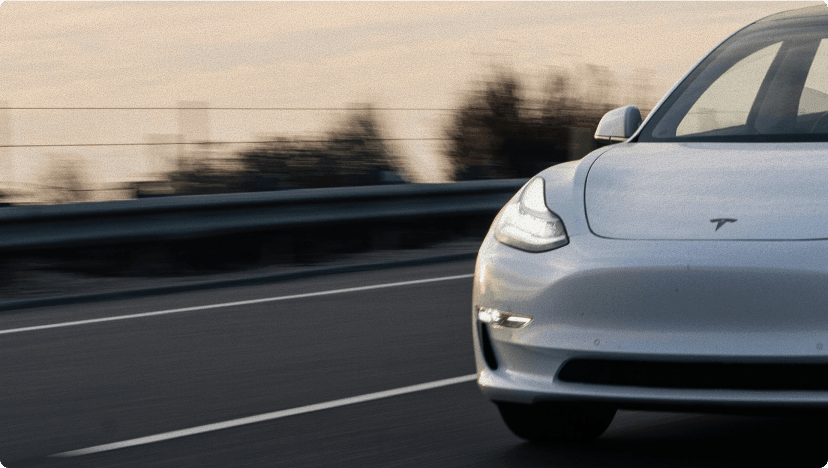
Is a flying car the first product of a Tesla-SpaceX merger? Musk's two firm's are weighing a deal that would break records.
ICYMI: Do your own research and make your own decisions. This article drills down on a specific company, however, it's not a recommendation to invest in the company and should not be taken as financial advice. Got a stock you want covered? Tell us here.
Tesla’s new flying car runs on SpaceX thrusters, which raises the obvious question Elon Musk wants you asking: why are these still two separate companies?
The new Roadster performed a barrel-roll mid-air then hopped over a lineup of Tesla ($TSLA) vehicles helped by SpaceX ($SPCX) technology. Five days later, Musk confirmed both companies have formed committees to consider merging.
Such a deal would be the biggest ever, creating a nearly US$3.5T group in which Tesla shareholders hold the minority.
Let's put the Tesla-SpaceX merger under the spotlight.
First, the macro story
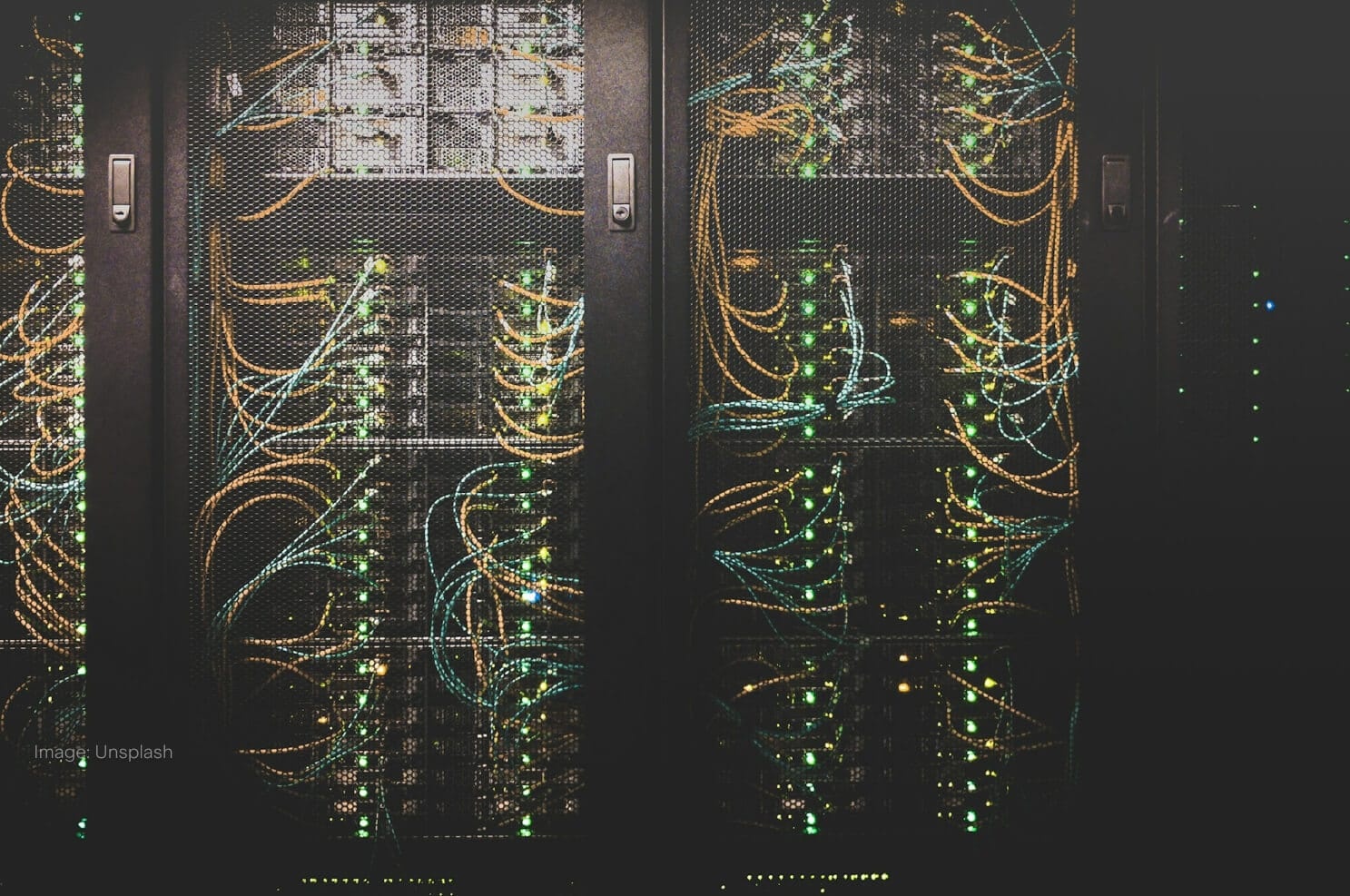
It's been a bruising few weeks for AI companies. Lenders are getting nervous about how much they've borrowed to build, and the face of the panic is CoreWeave ($CRWV), a neocloud in about US$50B of debt.
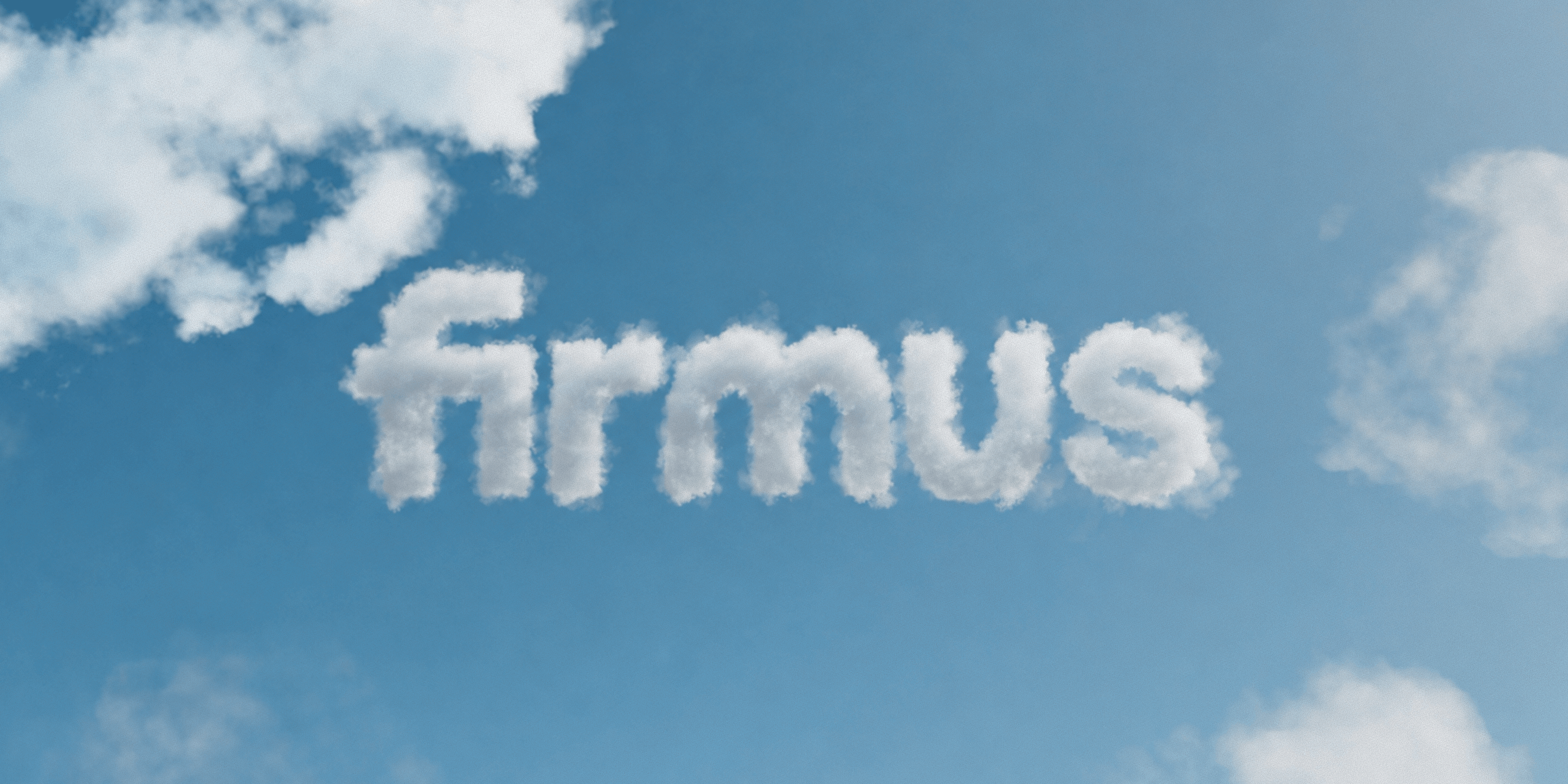
Terrible timing for Australia's Firmus, which pulled its own ASX listing.
This is the backdrop to earnings reports this week, which show Musk's two companies taking opposite approaches to AI spending. SpaceX is borrowing heavily: it owes about US$39B and is reportedly lining up US$40B more.
Tesla cut its 2026 spending plan from more than US$25B to about US$20B, enough to turn its free cash flow positive again at US$1.5B.
No good deed, as they say. After weeks of punishing AI spenders, the market didn't reward Tesla for cutting back. Shares fell 3%, with some analysts arguing the robots and Robotaxis steering its share price need sustained spending.
Under the bonnet
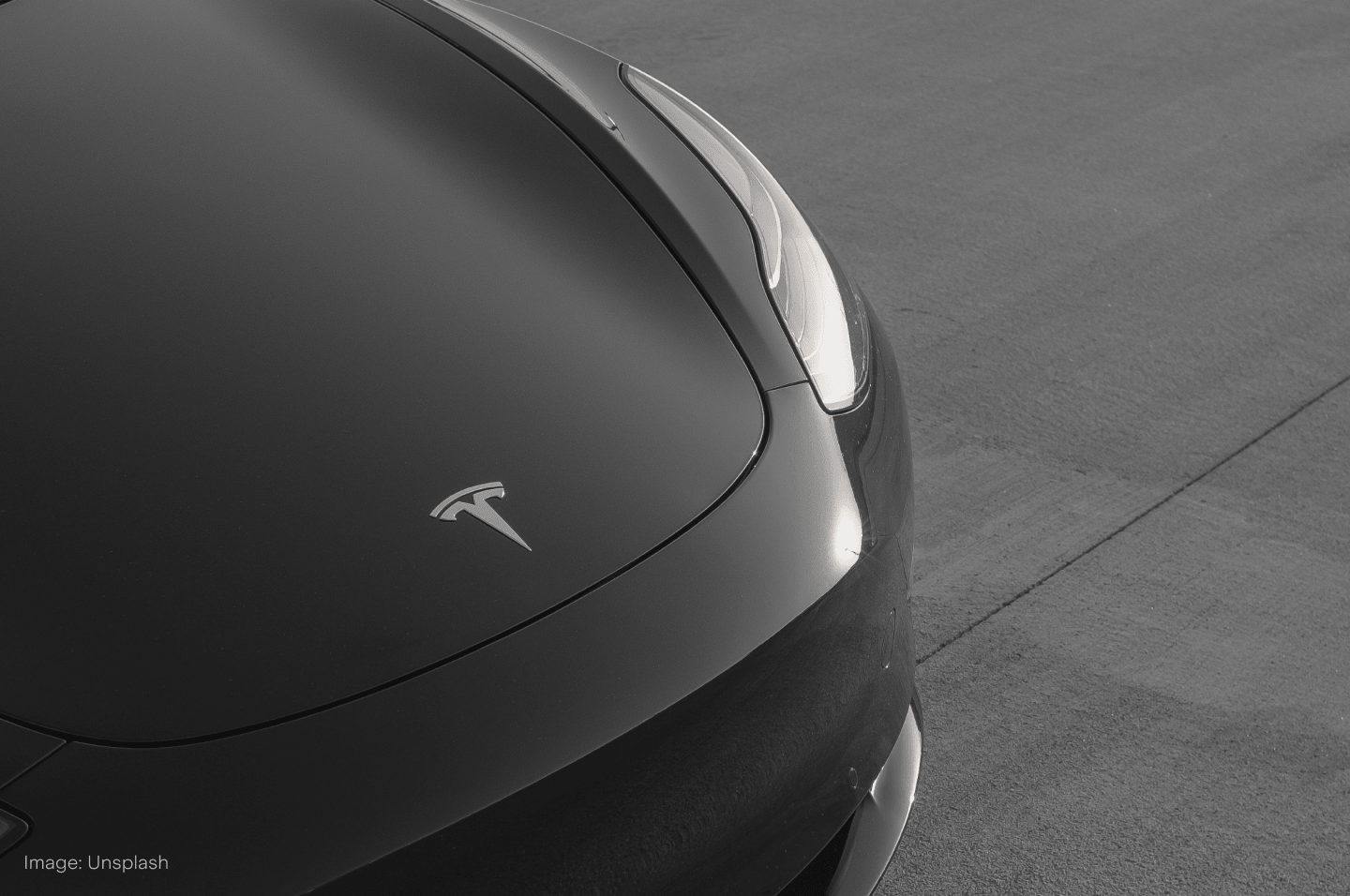
Tesla still makes most of its money selling cars, but that business is shrinking.
Sales have fallen for two years running, and while higher petrol prices are driving higher than expected EV sales, Chinese rivals appear to be taking most of the gains. BYD outsold Tesla in battery-electric cars for the first time last year.
Its energy segment made US$2.9B, down 16% YoY, partly because of ‘tariff-related customer refunds’ Tesla hasn't explained, and we’re left assuming it’s a one-off cost. It says its order backlog is the biggest it has reported, helped by data centres needing power.
But the firm’s biggest growth is now coming from its ‘Services and Other’ segment, which covers charging, insurance, spare parts and repairs for its growing fleet of vehicles.
It grew 33% to US$4.6B, and the profit Tesla makes on it doubled. It’s getting cheaper to run too: compared with the previous quarter, sales barely moved but costs fell, which pushed profit to a record.
The case for a merger
SpaceX is the bigger company, worth about US$2T against Tesla's US$1.48T.
A merger would mean Tesla shareholders swapping their shares for shares in the combined company. At today's prices they would end up owning about 43% of it, though takeover deals usually pay a premium. If SpaceX paid a 30% premium for Tesla, Tesla holders would own about half.
SpaceX is also growing far faster than Tesla, whose revenue was flat. Its revenue jumped 161% to US$14.6B last quarter and it made a US$4.4B profit, against a loss a year earlier. The growth came from its ‘Super Intelligence’ AI arm, which now beats Starlink.
So is Tesla the overpriced one? It depends on the yardstick. On the past year's sales, SpaceX is the pricier stock: investors pay US$61 for every US$1 it sells, against US$14 for Tesla.
On expected profit over the next year, it flips: investors pay about US$47 for every US$1 SpaceX is forecast to earn and US$176 for Tesla.
If SpaceX hits its forecasts, Tesla is the pricier of the two, which would make a swap at today's prices a good deal for Tesla holders and a poor one for SpaceX's.
Nothing is agreed, but Tesla's annual meeting, where shareholders could vote, is due by 6 December.
What they could build together
The case for merging is that Musk’s AI plans are split across two companies. SpaceX's xAI unit builds the AI behind the Grok chatbot, and Tesla builds the cars and robots that could run it.
Tesla also has the data: 1.74M people pay for its Full Self-Driving software and its robotaxis have clocked nearly 2M miles with nobody at the wheel.
Its Optimus robot has started production but earns nothing yet, and would benefit from Grok's AI to understand spoken instructions, as Cybercab passengers can already do.
Ultimately, as demonstrated by last week’s gravity-defying car, the two firms are already working closely together. Their biggest joint project is Terafab, a planned Texas factory making chips for both companies.
Money already moves between them too, with Tesla selling US$490M of Megapack batteries to SpaceX in the first nine months of the year while putting US$2B into SpaceX shares. A merger would simply add one pool of money and one board making the calls.
What are the risks?
Tesla’s profit is softer than it looks. Reported profit fell 43% last quarter, and about US$5B of its cash came from unpaid bills and customer prepayments, which can reverse.
Its car business is also shrinking. BYD sold 762,478 battery-electric cars last quarter, up 31%, while Tesla delivered 486,532, down 2%.
On the SpaceX side, spending is outrunning earnings. It spent US$19.6B on building last quarter. Goldman Sachs estimates it needs about US$270B of debt by 2030.
Tesla’s biggest bets are still a way off. The Roadster has no price and no production before 2028 and Tesla says Robotaxi revenue won't be noticeable until around the second quarter of next year.
Finally, a merger would tie Tesla to the AI trade investors are questioning, with more than half of SpaceX’s revenue now coming from AI.
Buy or sell?
The Roadster only flew because of SpaceX, and a merger would make that partnership permanent.
Whether Tesla shareholders want that depends on how they read the AI wobble. At about 176 times expected profit, Tesla’s price assumes its robots and self-driving cars pay off, just as lenders are asking who pays for AI.
Analysts are split: of 16 analyst ratings published on Stake Black, just half say $TSLA is a buy, with an average target of about US$418, about 11% below its last traded price.
For Tesla shareholders, the question is whether to put a self-funding business behind a faster-spending one. The test is whether the committees agree to terms before the December meeting.
This is not financial advice nor a recommendation to invest in the securities listed. The information presented is intended to be of a factual nature only. Past performance is not a reliable indicator of future performance. The author of this article and other employees of Stakeshop Pty Ltd may hold positions or have financial interests in the company (or companies) discussed above. As always, do your own research and consider seeking financial, legal and taxation advice before investing.
Senior Markets Commentator
Kylie Purcell is an investments analyst and finance journalist with over a decade of experience covering global markets, investment products and digital assets. Her commentary has been featured in publications including the Australian Financial Review, Yahoo Finance and The Motley Fool. She has a Masters Degree in International Journalism from Cardiff University and a Certificate of Securities and Managed Investments (RG146).
Subscribe
By subscribing, you agree to our Privacy Policy.