
Top 5 nuclear energy ETFs to watch in 2026
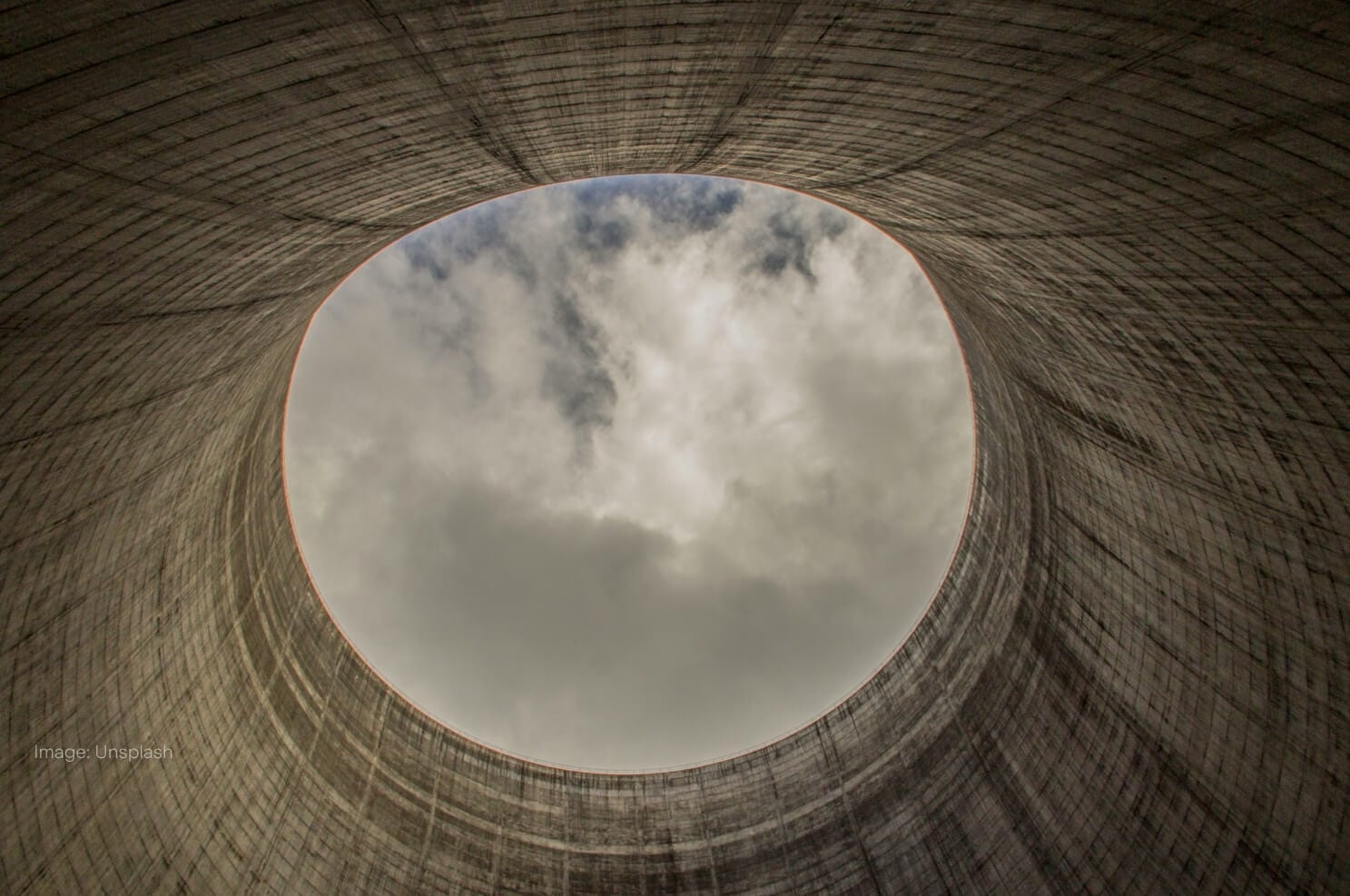
Nuclear energy ETFs have no standard definition, so each fund's index draws its own line around the sector. Some stop at uranium miners and others reach to power generators.
Nuclear energy ETFs hold shares in companies across the uranium and nuclear energy sector – from miners that extract uranium to businesses involved in nuclear power generation. The five funds on this list take different angles on that theme. VanEck Uranium and Nuclear ETF ($NLR) and Global X Uranium ETF ($URA) track broader uranium and nuclear indexes, while Sprott Junior Uranium Miners ETF ($URNJ) narrows to smaller, earlier-stage miners – typically holding between 30 and 40 companies. Management expense ratios across the list run from 0.52% to 0.85%.
How we built this list: We selected these funds based on their industry or investment category and ordered them by assets under management. Prices are updated daily, and the list and supporting content are reviewed roughly every quarter. All data is sourced from Stake. This list isn't a recommendation and isn't ordered by suitability.
ETF Name | Ticker | Share Price | AUM | Expense Ratio | In Watchlists |
|---|---|---|---|---|---|
Global X Uranium ETF | $41.80 | $5.59B | 0.69% | 4123 | |
VanEck Uranium and Nuclear ETF | $109.43 | $3.55B | 0.52% | 1552 | |
Sprott Uranium Miners ETF | $50.30 | $1.84B | 0.75% | 1336 | |
Range Nuclear Renaissance Index ETF | $63.39 | $689.7M | 0.85% | 354 | |
Sprott Junior Uranium Miners ETF | $21.33 | $314.6M | 0.80% | 328 |
Past performance is not a reliable indicator of future performance.
Source: Stake market data. Figures in US$. Data updated as of 6 October 2026.
✅ Learn more: Top 12 nuclear energy stocks to watch in 2026→
1. Global X Uranium ETF ($URA)

Global X Uranium ETF (URA) share price over the last year: started at US$51.21, ended at US$41.80, a change of −18.4%. Range over the period: high US$61.81, low US$37.52. Source: Stake market data. Past performance is not a reliable indicator of future performance.
Price: US$41.80 · Daily: 4.0% · AUM: US$5.59B · MER: 0.69%
Global X Uranium ETF ($URA) is designed to track the Solactive Global Uranium Index, aiming to reflect the price and yield performance of companies active across the uranium industry. The fund's mandate requires at least 80% of its total assets to be held in securities that make up the underlying index or in companies with some involvement in uranium.
That broad framing means $URA can hold companies at different points along the uranium supply chain, rather than concentrating purely on miners. The Solactive index it follows is constructed to capture the uranium sector as a whole, so the portfolio's composition shifts as the index is rebalanced.
2. VanEck Uranium and Nuclear ETF ($NLR)

VanEck Uranium and Nuclear ETF (NLR) share price over the last year: started at US$145.48, ended at US$109.43, a change of −24.8%. Range over the period: high US$164.37, low US$102.70. Source: Stake market data. Past performance is not a reliable indicator of future performance.
Price: US$109.43 · Daily: 5.5% · AUM: US$3.55B · MER: 0.52%
VanEck Uranium and Nuclear ETF ($NLR) is designed to replicate the price and yield performance of the MVIS Global Uranium & Nuclear Energy Index. The index targets equity securities of companies involved in uranium and nuclear energy – covering both the uranium extraction side and nuclear power generation.
The fund commits at least 80% of its assets to index securities. That minimum keeps the portfolio closely aligned with the benchmark. The mandate covers both price movement and income yield from the index's holdings, so $NLR aims to reflect the full return profile of its benchmark.
3. Sprott Uranium Miners ETF ($URNM)

Sprott Uranium Miners ETF (URNM) share price over the last year: started at US$60.82, ended at US$50.30, a change of −17.3%. Range over the period: high US$83.99, low US$47.13. Source: Stake market data. Past performance is not a reliable indicator of future performance.
Price: US$50.30 · Daily: 5.0% · AUM: US$1.84B · MER: 0.75%
Sprott Uranium Miners ETF ($URNM) aims to track the North Shore Global Uranium Mining Index, which covers companies whose primary business is uranium mining. The fund is designed to invest at least 80% of its net assets in uranium mining companies, according to its mandate.
The focus is narrow and deliberate. Unlike broader energy funds that hold uranium as one theme among many, $URNM concentrates almost exclusively on the mining side of the nuclear fuel chain.
4. Range Nuclear Renaissance Index ETF ($NUKZ)

Range Nuclear Renaissance Index ETF (NUKZ) share price over the last year: started at US$68.77, ended at US$63.39, a change of −7.8%. Range over the period: high US$76.23, low US$60.23. Source: Stake market data. Past performance is not a reliable indicator of future performance.
Price: US$63.39 · Daily: 3.5% · AUM: US$689.7M · MER: 0.85%
Tracking the Range Nuclear Renaissance Index, Range Nuclear Renaissance Index ETF ($NUKZ) is designed to cover companies in the nuclear fuel and energy industry. Its mandate requires at least 80% of net assets to be held in what the fund classifies as nuclear companies. The remaining allocation gives the index some construction flexibility beyond that core definition.
The fund takes a broad approach to the sector. $NUKZ is intended to reflect the nuclear fuel and energy industry as a whole, rather than concentrating on one part of it. That wide scope means the index can, in principle, draw from different corners of the nuclear industry as it sees fit.
5. Sprott Junior Uranium Miners ETF ($URNJ)

Sprott Junior Uranium Miners ETF (URNJ) share price over the last year: started at US$29.67, ended at US$21.33, a change of −28.1%. Range over the period: high US$40.43, low US$19.98. Source: Stake market data. Past performance is not a reliable indicator of future performance.
Price: US$21.33 · Daily: 4.9% · AUM: US$314.6M · MER: 0.80%
Sprott Junior Uranium Miners ETF ($URNJ) is built around a focused slice of the uranium sector: the smaller, earlier-stage mining companies that typically sit further from production than the majors. The fund aims to track the Nasdaq Sprott Junior Uranium Miners Index, investing at least 80% of its assets in the index's constituents.
The portfolio generally holds between 30 and 40 companies. That's a tight roster by ETF standards, which means each position carries more weight and the fund's returns can move sharply when individual holdings do. Junior miners tend to be more sensitive to uranium price swings than larger, more established producers – a feature of where they sit in the production chain, not a quirk of the fund's construction.
Common questions
How do I invest in nuclear energy ETFs in New Zealand?
All five ETFs in this article are listed on U.S. exchanges, so you can buy them through a share trading platform that offers access to U.S. markets. They trade in USD during U.S. market hours, just like individual stocks. You search by ticker – $URA, $NLR, $URNM, $NUKZ or $URNJ – and place an order through your platform.
What are the key risks of nuclear energy ETFs?
Some of the key risks include uranium price volatility, since most funds here are heavily exposed to companies whose revenues move with the commodity. The sector is narrow, which means returns can swing sharply based on a small number of holdings or events. Nuclear energy also faces varying regulatory environments across different countries, and policy shifts can materially affect company valuations. Because these are USD-priced funds, movements in the NZD/USD exchange rate will affect what you pay to buy in and what any proceeds are worth in New Zealand dollars.
How do the funds in this list differ by focus area?
The funds sit at different points along the nuclear supply chain. $URNM focuses specifically on uranium mining companies, and $URNJ narrows that further to junior miners. $URA covers the uranium industry more broadly, including companies active in various parts of the supply chain beyond just mining. $NLR and $NUKZ cast a wider net, tracking indices that include nuclear energy companies – potentially utilities and power generators alongside miners – rather than limiting exposure to uranium producers alone.
What are junior uranium miners?
Junior uranium miners are typically smaller, earlier-stage companies focused on exploration and development rather than established production. $URNJ targets this segment specifically, holding between 30 and 40 constituents drawn from the Nasdaq Sprott Junior Uranium Miners Index. Smaller and earlier-stage companies can carry more company-specific risk than established producers, since their revenues and progress often hinge on individual projects or exploration outcomes.
Disclaimer
Past performance is not a reliable indicator of future performance. When you invest, your capital is at risk. You should consider your own investment objectives, financial situation, and particular needs before making an investment decision. The value of your investments can go down as well as up and you may receive back less than your original investment. As always, do your own research and consider seeking appropriate financial advice before investing.
This is not personal financial advice nor a recommendation to invest in the securities listed. Any advice provided by Stake is of general nature only and does not take into account your specific circumstances. Trading and volume data from the Stake investing platform is for reference purposes only, the investment choices of others may not be appropriate for your needs and is not a reliable indicator of performance.
Please refer to hellostake.com/pricing for the fees that apply. When you trade securities priced in another currency, currency conversion fees may apply and movements in the exchange rate may affect your returns.

Stake Desk
The freshest market insights
This article combines AI and human review from our analysts to bring you accurate, informative investing content at speed. For questions or suggestions, contact stakedesk@stake.com.au.
Subscribe
By subscribing, you agree to our Privacy Policy.