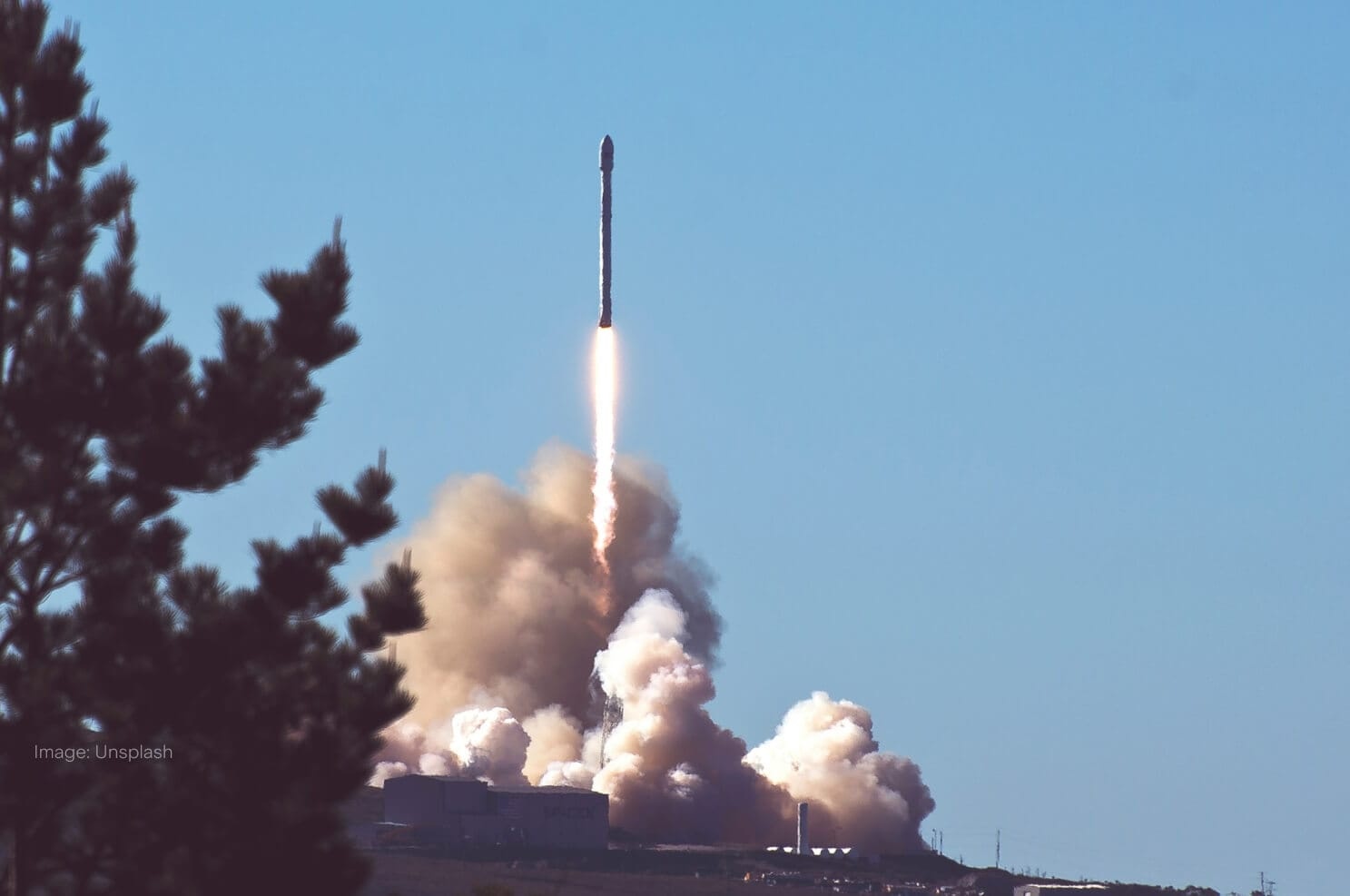
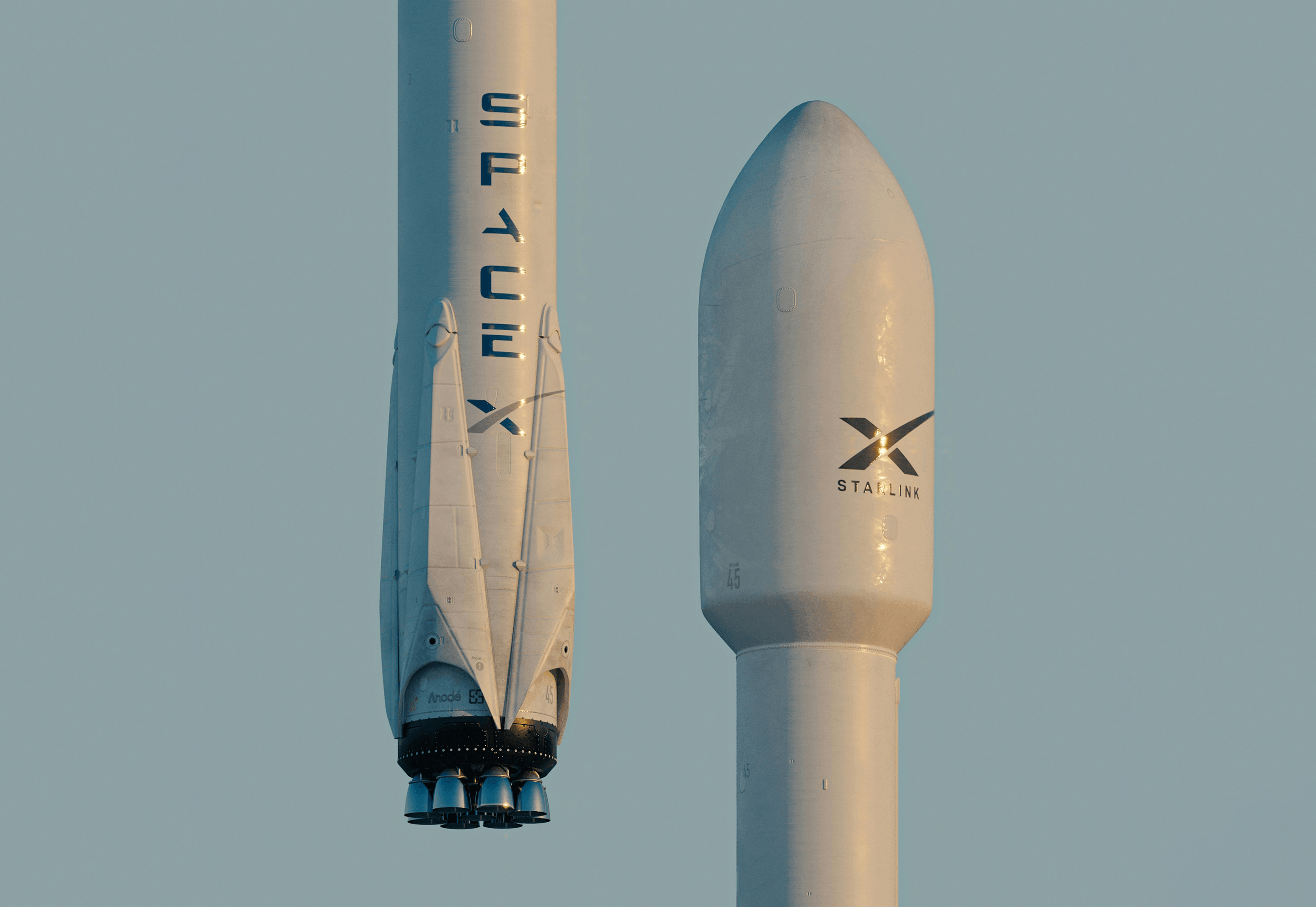
The SpaceX IPO is weeks away. We’re breaking down hidden gems buried in the filing.
SpaceX is targeting a US$1.75T valuation for its public debut after making US$18.7B in revenue in 2025. For context, Amazon ($AMZN) is valued at US$2.86T and made US$716.92B last year.
Before you throw away your copy of The Intelligent Investor, remember that IPO filings often tell two stories: the one in the headlines and the one in the numbers. Let’s break them down.
The space segment loses money on purpose
SpaceX splits revenue into Space, Connectivity and AI. We’ll start with Space, its foundational business. The segment made US$4.09B of revenue in 2025 but reported a US$657M operating loss.
The numbers tell an interesting story. The Space segment made US$653M in operating profit before costs related to its next gen rocket Starship. SpaceX then likely runs all $3B of Starship development through this same segment, turning it into a reported loss.
The real star
The Connectivity segment includes Starlink, which brought in US$11.39B in revenue in 2025 and adjusted EBITDA of US$7.17B.
A 63% EBITDA margin growing at 86% YoY is not so much telecom as it is a software business with satellites. With around 9,600 in orbit, it accounts for 75% of all active satellites, giving it a significant edge over any current or future competitors.
Risk-AI business
The AI segment is a cash furnace that generated US$3.2B in revenue but burned through US$6.36B in operating losses and spent $12.73B in capex. And yet, it’s got some catching up to do.
The filing names OpenAI, Anthropic, Meta ($META) and Alphabet ($GOOGL) as key competitors in the AI model development market. It names Reddit ($RDDT) as a social network competitor. And CoreWeave ($CRWV) and Nebius ($NBIS) as potential AI cloud competitors.
The Kardashev ambition
AI runs on power. SpaceX wants to go straight to the source…93 million miles away. The IPO filing calls for ‘propelling humanity toward Kardashev Type II status’ – a civilisation that harnesses the full energy output of the Sun.
SpaceX plans to build data centres in space. They would harness solar power and use the vacuum of space for cooling, with deployment planned as early as 2028.
Macrohard
An in-development Tesla ($TSLA) collab is an AI platform called Macrohard. It will supposedly emulate digital workflows and create a fully AI-operated software company. And if the ‘Macrohard’ name is anything to go by, it might just be a shot at Microsoft’s ($MSFT) empire.
How to data centre in 90 days
SpaceX brought the first cluster of COLOSSUS online in 122 days by repurposing an existing factory shell, and then built COLOSSUS II's first cluster in just 91 days. The industry benchmark for a 100-megawatt greenfield data centre is approximately two years.
Its potential moat? The speed advantage over every hyperscaler building data centres the ‘normal way’.
Endgame
SpaceX might have started as a rocket company with a satellite business. Now it looks more like a long-term bet on being an infrastructure layer for AI. It would own the chips through Terrafab, the compute through COLOSSUS, the power through orbital solar, the connectivity through Starlink and the model through Grok.
It plans to go public on 12 June under $SPCX. You’ll soon be able to add it to your watchlist. See you at liftoff.
This is not financial advice nor a recommendation to invest in the securities listed. The information presented is for general information purposes only and intended to be of a factual nature only. Past performance is not a reliable indicator of future performance. The value of your investments can go down as well as up and you may receive back less than your original investment. The author of this article and other employees of Stakeshop Pty Ltd may hold positions or have financial interests in the company (or companies) discussed above. As always, do your own research and consider seeking financial, legal and taxation advice before investing.

Markets Analyst
Samy is a markets analyst at Stake, with seven years of experience in the world of investing, working across roles in private banking, venture capital and financial media. She has a Master’s degree in Finance and Data Analytics from The University of Sydney Business School.
Subscribe
By subscribing, you agree to our Privacy Policy.